.svg)

.webp)


Oops! Something went wrong while submitting the form.
.webp)
There is a particular kind of exhaustion that has nothing to do with how hard you are working. It shows up on a Sunday evening when a message lands from someone on your team asking where a file is. It shows up when you double-check something for the third time. It shows up at the end of a quarter where everything got done, every client was happy, but you still feel like you barely made it out alive.
That kind of tired is not about effort. It is about operating in an environment where the work is good but the infrastructure holding it together is not.
And for a lot of agencies, that infrastructure is a mix of spreadsheets, email threads, a project management tool nobody is really using consistently, and the collective memory of whoever has been there the longest. It works, until it doesn't.
The tricky thing about operational chaos is that it rarely shows up as a single catastrophic failure. It shows up as small things, repeatedly. A brief that was in three different places. A deadline nobody confirmed in writing. A new hire who spent their first week asking where things live because nothing was documented. A report that took an hour to write because the data was scattered across four tools.
Individually, none of these feel like a big deal. But the numbers tell a different story.
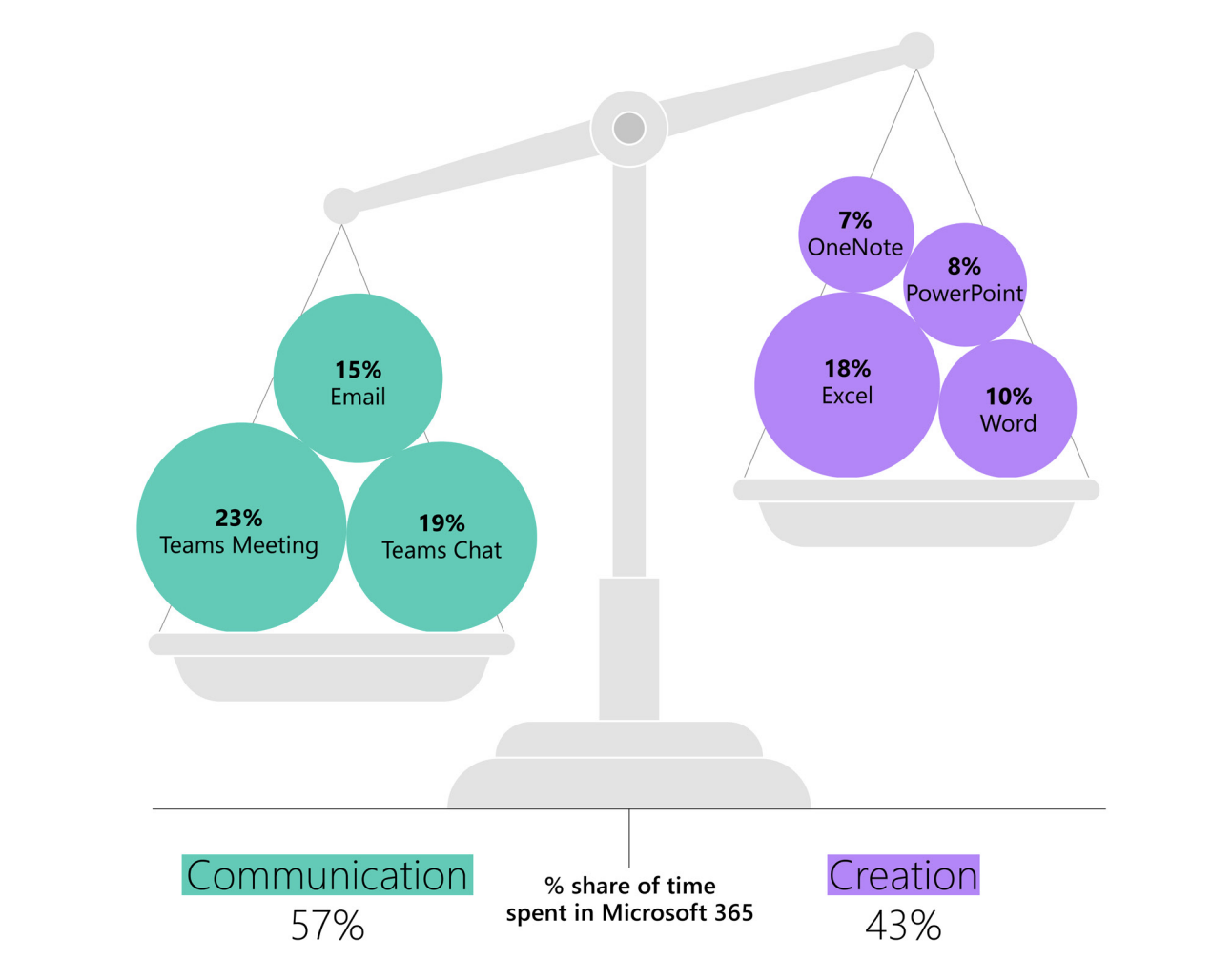
Microsoft's Work Trend Index analyzed the actual usage data of millions of workers across Microsoft 365 and found that the average person spends 57% of their time communicating through emails, chats and meetings, leaving only 43% for the work they were actually hired to do. The same report found that 62% of people struggle with too much time spent searching for information, and 68% say they do not have enough uninterrupted focus time during the workday.
For a five-person agency, losing more than half the available workday to coordination and communication is a serious structural problem. And structure, unlike most things in a growing business, is actually fixable.
The data is useful but it misses something. The cost of disorder is not just financial but personal.
Think about what it actually looks like inside an agency without solid systems. The owner who has to be cc'd on everything because there is no visibility otherwise. The team member who double-checks their own work obsessively not because they are careless, but because the environment has trained them to distrust the process. The senior person who cannot delegate because nothing is documented well enough to hand off. The person who hits every goal and still burns out by December.
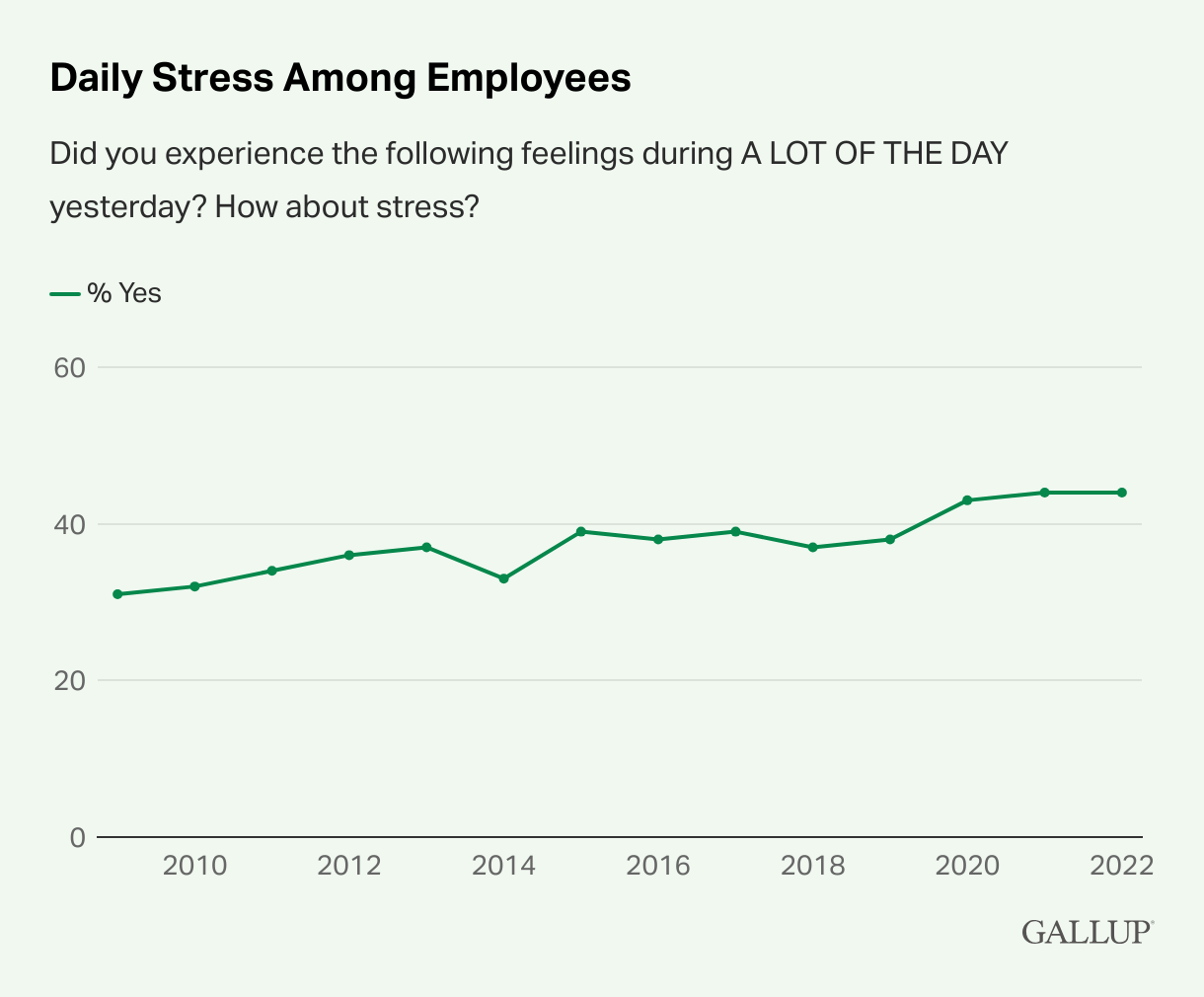
According to Gallup, about 3 in 4 workers experience burnout at least sometimes, and 1 in 4 experience it very often or always. In an industry where retaining good people is already difficult, that is a real risk. And it is one that does not show up on any P&L until someone hands in their notice. Replacing an employee almost always costs far more than the hiring process itself. That exit also takes institutional knowledge and client relationships.
There is also something that happens to trust in chaotic environments that is worth naming. When a manager cannot see what their team is doing because there is no shared system, no visibility, no single source of truth, they often default to micromanagement. Not because they are a bad manager, but because the environment gives them no other way to stay informed. That dynamic is exhausting for everyone involved. The manager feels like they have to stay across everything. The team feels like they are not trusted. Both are right, and both are wrong. The system is the problem.
As W. Edwards Deming put it: "A bad system will beat a good person every time."
📕 Related Read: Employee Burnout: The Causes and Cures
Here is a calculation worth doing for your own agency.
Take the number of hours your team spends each week on tasks that could be systematized or automated: status updates, manual reporting, chasing approvals, recreating information that should already exist somewhere. Be honest about what that number actually is. Then multiply it by your average hourly cost per team member. Multiply that by 52 weeks. That number is what disorder is costing you every year, before you count a single client mistake, a missed deadline, or a good person leaving because they are tired of working in chaos.
🔗 Related Read: How ClickUp Can Increase Efficiency (& Profits) For Your Online Business
The goal of a well-built system is not to turn your agency into a machine. It is to make the ordinary things automatic so that the extraordinary things get more attention.
When information lives in one place, people stop asking where it is. When handoffs are documented, things stop falling between people. When reporting is built into the workflow instead of assembled manually at the end of the week, managers get visibility without having to ask for it, and the team gets back the time they were spending on updates that nobody really enjoyed writing anyway.
Something else tends to shift too. Leaders stop acting as air traffic controllers, fielding every question and chasing every status update, and start having the space to actually think about the business. Decisions get faster because the information behind them is visible and trustworthy. And the team stops burning energy on coordination and starts putting it back into the work they were actually hired to do.
What tends to surprise agency owners who go through this process is not just the time they save. It is how much of the tension in their team dissolves when everyone can see what is happening, what is expected, and what the status of any given thing actually is. A lot of what gets blamed on communication or personality or attitude is really just the friction that comes from working in an environment where clarity is hard to find.
The disorder was never really about people. It was about the absence of a structure that let people do their best work.
If your agency has great people but the workflows behind them are holding things back, that is exactly the kind of problem we help solve. You can start by exploring our ClickUp templates, or book a call to talk through what a system built for your team could look like.



.webp)
.webp)


.webp)

